How to Find a Trustworthy Mechanic for Your Heavy-Duty Truck
Finding a good heavy-duty truck shop feels a bit like finding a good dentist. You can’t tell who’s great from a billboard. You only find out when something hurts, and by then you’re already committed.
The difference with a heavy truck is the stakes. A bad diagnosis can waste days. A sloppy repair can trigger a second failure. And a shop that treats preventive maintenance like an afterthought can shorten the life of your engine, driveline, or braking system.
Heavy-duty trucks rely on proper lubrication, cooling, and air-brake hardware that remains adjusted and inspected. If your mechanic doesn’t respect those basics, you pay for it later.
Here’s how you find a trustworthy mechanic in Janesville, WI, without rolling the dice.
Start With How They Diagnose, Not How They Talk
Good diagnostics usually include a visual inspection plus targeted checks, not blanket parts swapping. That matters because heavy-duty systems are connected. Low oil pressure can turn into bearing damage. Cooling problems can cause overheating. Driveline issues can feel like engine problems.
When you describe an issue, listen for questions that narrow the problem:
- When did it start?
- What changed recently (fuel, load, routes, weather)?
- Any warning lights, smoke, power loss, overheating, hard shifting, or air loss?
Ask What “Preventive Maintenance” Looks Like In Their Shop
Every shop claims they do PMs. The trustworthy ones can describe their checklist in plain language and tailor it to your duty cycle.
A proper preventive maintenance approach should cover:
- Engine oil condition and filter service, plus leak checks
- Coolant system maintenance (hoses, belts, coolant condition, radiator airflow, water pump drive)
- Transmission service and differential fluid checks (leaks, condition, level)
- Air system and air brake inspection (lines, tanks, moisture control)
- Wheel-end, driveline, and suspension inspections for wear and heat issues
A shop that performs PMs correctly helps you avoid breakdowns. A shop that rushes them creates breakdowns.
Make Sure They Understand Heavy-Duty Air Brakes
This sounds obvious, but it matters. Heavy-duty trucks use compressed air brakes, not brake fluid. Core parts include service chambers, slack adjusters, S-cams, shoes, and drums. A quality mechanic checks the hardware condition and adjustments, and looks for air leaks and moisture issues in the air system.
Questions worth asking:
- Do you inspect brake chambers, slack adjusters, and S-cams during PM?
- Do you check for air leaks and abnormal air loss rate?
- Do you document brake findings and recommendations?
If they answer confidently and clearly, you’re in better hands.
Look For Transparency In Estimates, Not Just Low Prices
A trustworthy shop gives you:
- A written estimate with labour hours, parts, and shop supplies separated
- Clear “must do now” items vs “plan for later” items
- Photos, measurements, or readings when appropriate (especially for wear)
A low quote can be a trap if it’s built on shortcuts: reused clamps, skipped inspections, cheap filters, or ignoring the root cause.
Evaluate How They Handle Parts Quality And Fluids
Heavy-duty components live or die by lubrication and heat control. The shop should match fluids to your truck’s specs and explain why.
Listen for competence around:
- Oil viscosity and filter quality (protecting pressurized lubrication paths)
- Coolant condition and change intervals (coolant breaks down over time and loses heat-transfer effectiveness)
- Correct use of transmission fluid vs gear oil, depending on the component
If a mechanic shrugs off fluid specs or treats filters as generic, that’s a bad sign.
Check Communication Habits Before You’re Stranded
You want a shop that calls when they find something, not one that surprises you at pickup.
A solid communication flow looks like:
- They confirm symptoms and the plan
- They call with findings and options
- They get approval before adding work
- They provide a clear invoice that matches the estimate
Trust comes from consistency, not charm.
Use Reputation, But Verify It The Right Way
Reviews help, but focus on patterns:
- Do customers mention accurate diagnosis?
- Do they mention honesty about what’s urgent vs what can wait?
- Do they mention the shop standing behind repairs?
Also ask local fleet managers, owner-operators at fuel stops, and nearby yards. Word travels fast in trucking, especially about shops that waste time.
Do A “Trial Run” Service Before A Major Repair
If you’re unsure, start small:
- Book a PM service
- Ask for a written inspection report
- See how they communicate findings and priorities
A trustworthy shop earns the bigger jobs by doing the smaller ones right.
Choose a Trusted Truck Mechanic
You find a trustworthy mechanic by watching their process: disciplined diagnostics, real preventive maintenance, strong air brake knowledge, transparent estimates, correct fluids, and consistent communication.
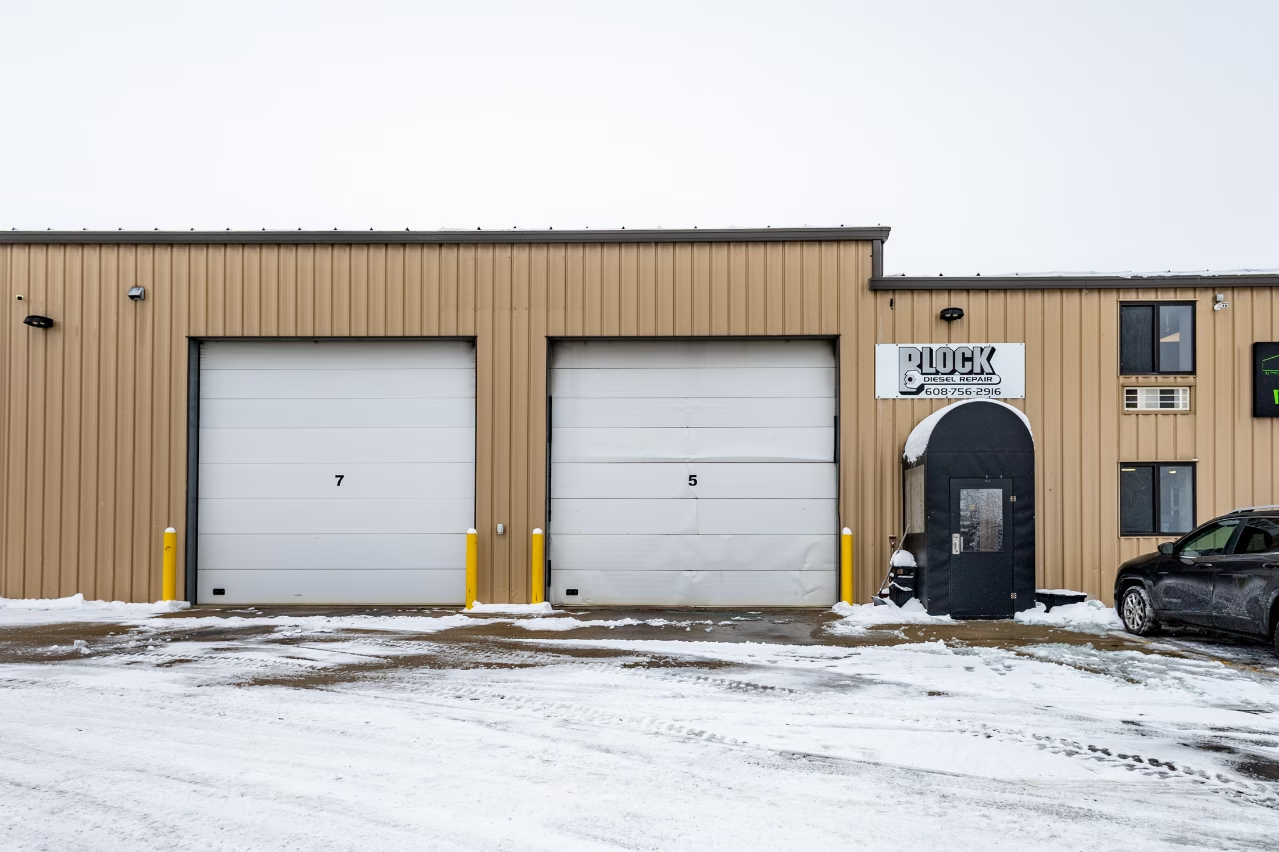
When you’re ready to work with a team that values clean diagnostics and clear communication, contact Block Diesel Repair Inc. in Janesville, WI to schedule an inspection or preventive maintenance visit.
For more information on truck service, read our article to learn about the signs of suspension repair.
.svg)
.svg)
.svg)